


zinc oxide powder
Zinc oxide powder is a white, fine, inorganic compound (chemical formula ZnO) used widely in cosmetics, pharmaceuticals, industrial products, and more. Here’s a quick overview:
Key Properties
Appearance: Fine white powder
Solubility: Insoluble in water, soluble in acids and alkalis
Stability: UV-stable; provides strong UV absorption and scattering
Antimicrobial: Inhibits growth of bacteria and fungi
Common Uses
1. Skincare & Cosmetics
UV filter in sunscreens (physical/mineral sunscreen)
Ingredient in diaper creams, calamine lotion, anti-itch and rash treatments
Adds opacity/whiteness to creams and makeup
2. Pharmaceuticals
Protective barrier in ointments
Used for wound care due to mild astringent and antimicrobial properties
3. Industrial Applications
Rubber vulcanization activator
Ceramic glazes and glass
Paints and coatings (improves durability and mildew resistance)
Safety
Generally recognized as safe for topical use
Non-nano forms sit on the skin rather than being absorbed
Can cause dust irritation if inhaled in powder form
Nano-particle forms are regulated more specifically due to inhalation concerns
₦85,000.00
Description
Zinc oxide powder is a white, fine, inorganic compound (chemical formula ZnO) used widely in cosmetics, pharmaceuticals, industrial products, and more. Here’s a quick overview:
Key Properties
Appearance: Fine white powder
Solubility: Insoluble in water, soluble in acids and alkalis
Stability: UV-stable; provides strong UV absorption and scattering
Antimicrobial: Inhibits growth of bacteria and fungi
Common Uses
1. Skincare & Cosmetics
UV filter in sunscreens (physical/mineral sunscreen)
Ingredient in diaper creams, calamine lotion, anti-itch and rash treatments
Adds opacity/whiteness to creams and makeup
2. Pharmaceuticals
Protective barrier in ointments
Used for wound care due to mild astringent and antimicrobial properties
3. Industrial Applications
Rubber vulcanization activator
Ceramic glazes and glass
Paints and coatings (improves durability and mildew resistance)
Safety
Generally recognized as safe for topical use
Non-nano forms sit on the skin rather than being absorbed
Can cause dust irritation if inhaled in powder form
Nano-particle forms are regulated more specifically due to inhalation concerns
Zinc Oxide Powder — Detailed Safety & Handling Guide
1. Hazard Overview
Zinc oxide is considered low toxicity, but its powdered form poses risks due to inhalation and dust generation.
Primary Hazards
Inhalation: Fine particles can irritate the respiratory tract.
Eye irritation: Dust can cause discomfort, redness, or abrasion.
Skin contact: Usually safe; may cause dryness or irritation in sensitive individuals.
Ingestion: Not intended for consumption; may cause stomach upset.
Zinc oxide is non-combustible and non-reactive under normal conditions.
2. Personal Protective Equipment (PPE)
When handling loose powder:
Respiratory protection:
Use a dust mask (N95 or equivalent) when handling large or messy quantities.
Eye protection:
Safety glasses or goggles to prevent accidental dust entry.
Hand protection:
Nitrile or latex gloves if handling for extended periods or in formulations.
Clothing:
Lab coat or protective apron to avoid contamination of clothing.
3. Safe Handling Practices
Avoid Dust Generation
Handle in a well-ventilated area.
Use a weighing boat or tray to prevent spills.
Add powder to liquids slowly to minimize airborne particles.
If mixing into cosmetic bases, pre-wet the powder with a small amount of oil or glycerin to reduce dust.
Good Hygiene
Wash hands after handling.
Do not eat or drink in the handling area.
Avoid touching your face while working with powders.
4. Storage Guidelines
Store in a tightly sealed container to prevent dust escape and moisture uptake.
Keep in a cool, dry place away from strong acids (which can dissolve ZnO).
Label clearly with:
“Zinc Oxide Powder — Keep container closed. Avoid inhalation.”
Related products
- Out of Stock
- Technical Chemical Raw Materials
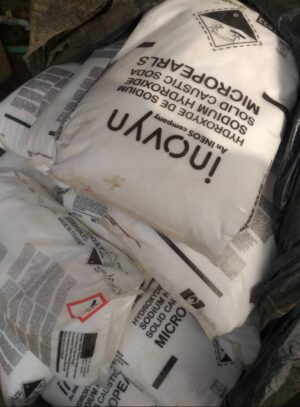
Caustic Soda Pearls
- ₦39,000.00
- Read more
Reviews
There are no reviews yet.