


sorbic acid
Sorbic acid is a naturally occurring organic compound widely used as a food preservative.
Key facts:
Chemical formula: C₆H₈O₂
Type: Unsaturated fatty acid
Appearance: White crystalline powder
Taste/odor: Mild, slightly acidic
What it’s used for:
Prevents the growth of molds, yeasts, and some bacteria
Common in cheese, yogurt, baked goods, fruit juices, wine, dried fruits, and sauces
Also used in cosmetics, pharmaceuticals, and animal feed
How it works:
Sorbic acid inhibits microbial enzymes, slowing or stopping spoilage
Most effective in acidic conditions (low pH)
Safety:
Generally recognized as safe (GRAS) by food safety authorities (FDA, EFSA)
Low toxicity and usually well tolerated
Rarely, it can cause mild skin or eye irritation in concentrated form
Related compounds:
Potassium sorbate and calcium sorbate are salts of sorbic acid and are even more commonly used because they dissolve better in water
₦172,500.00
Description
Sorbic acid is a naturally occurring organic compound widely used as a food preservative.
Key facts:
Chemical formula: C₆H₈O₂
Type: Unsaturated fatty acid
Appearance: White crystalline powder
Taste/odor: Mild, slightly acidic
What it’s used for:
Prevents the growth of molds, yeasts, and some bacteria
Common in cheese, yogurt, baked goods, fruit juices, wine, dried fruits, and sauces
Also used in cosmetics, pharmaceuticals, and animal feed
How it works:
Sorbic acid inhibits microbial enzymes, slowing or stopping spoilage
Most effective in acidic conditions (low pH)
Safety:
Generally recognized as safe (GRAS) by food safety authorities (FDA, EFSA)
Low toxicity and usually well tolerated
Rarely, it can cause mild skin or eye irritation in concentrated form
Related compounds:
Potassium sorbate and calcium sorbate are salts of sorbic acid and are even more commonly used because they dissolve better in water
Here are the health effects of sorbic acid, clearly separated into benefits, safety, and possible risks:
✅ General safety
Sorbic acid is considered safe for human consumption.
It is approved by major authorities (FDA, EFSA, WHO/FAO).
In the body, it is metabolized like a fatty acid and broken down into carbon dioxide and water.
👍 Positive / beneficial effects
Prevents foodborne illness by inhibiting molds and yeasts.
Extends food shelf life, reducing spoilage and waste.
Does not accumulate in the body.
⚠️ Possible side effects (uncommon)
Skin or eye irritation when handled in concentrated form (mostly occupational exposure).
Allergic-type reactions (very rare), such as mild rashes or itching.
High concentrations may cause digestive discomfort (nausea, irritation), but this is unlikely at normal food levels.
🚫 What it does not do
Not carcinogenic
Not mutagenic
Not linked to hormone disruption
Does not affect fertility or child development
👶 Sensitive groups
People with very sensitive skin may react to sorbic acid in cosmetics.
Infants and children tolerate it well at regulated levels.
📏 Acceptable intake
The Acceptable Daily Intake (ADI) is up to 25 mg per kg body weight per day, which is far above normal dietary exposure.
🧪 Sorbic acid vs potassium sorbate
Both have similar health effects.
Potassium sorbate is more commonly used due to better solubility.
1 review for sorbic acid
Related products
- Sale!
- Agricultural Chemical Products, Food Chemicals Products
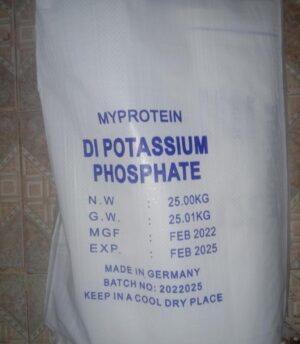
DiPotassium phosphate
- Original price was: ₦80,000.00.₦75,000.00Current price is: ₦75,000.00.
- Add to cart
tlovertonet –
I have not checked in here for a while because I thought it was getting boring, but the last few posts are great quality so I guess I’ll add you back to my everyday bloglist. You deserve it my friend 🙂