

Bleaching Earth Optimum
Natural graphite is widely used across industries because of its unique combination of properties—high electrical and thermal conductivity, chemical stability, lubricity, and resistance to high temperatures. Here are the main industrial applications:
₦30,000.00
Description
“Bleaching earth optimum” usually refers to using bleaching earth (activated clay) at the most effective conditions—right dosage, temperature, and contact time—to maximize purification while minimizing cost and oil loss. It’s widely used in refining oils and other purification processes.
Here are the key industrial applications and what “optimum” typically means in each:
1. Vegetable Oil Refining (Primary Use)
Bleaching earth is essential in refining palm oil, soybean oil, groundnut oil, etc.
Function:
Removes pigments (carotenoids, chlorophyll)
Adsorbs impurities like soaps, trace metals, and oxidation products
Optimum Conditions:
Dosage: ~0.5%–2% of oil weight (depends on crude oil quality)
Temperature: 90–120 °C
Vacuum conditions to prevent oxidation
Contact time: 15–30 minutes
Goal:
Maximize color removal and purity while minimizing oil retention in the spent clay.
2. Mineral Oil & Lubricant Purification
Used in refining base oils and lubricants.
Function:
Removes sulfur compounds, resins, and color bodies
Improves clarity and stability
Optimum Factors:
Lower dosage than vegetable oils (often <1%) Controlled temperature to avoid degrading oil quality 3. Biodiesel ProductionBleaching earth helps purify biodiesel after transesterification.Function:Removes residual glycerol, soaps, and catalyst tracesOptimum Setup:Fine particle size for better adsorption Moderate temperatures (~60–80 °C) 4. Wax and Paraffin RefiningUsed to improve color and odor in wax products.Function:Adsorbs aromatic compounds and impuritiesOptimum Conditions:Higher temperatures (100–140 °C) Proper filtration after treatment 5. Food & Beverage IndustryApplied in sugar refining, juice clarification, and wine processing.Function:Removes color bodies and suspended impuritiesOptimum Control:Precise dosage to avoid stripping desirable flavors Short contact time 6. Chemical & Pharmaceutical ProcessingUsed for purification of chemicals and intermediates.Function:Adsorbs unwanted byproducts and catalystsOptimum Requirement:Tailored activation level depending on the chemical system What Determines “Optimum” Use?Across all industries, optimization depends on:Type of clay (acid-activated vs natural) Surface area and pore structure Feedstock quality Filtration efficiency Cost vs performance balance Key Trade-OffUsing too much bleaching earth:Increases cost Causes higher oil loss (retained in spent clay)
Related products
- Sale!
- Technical Chemical Raw Materials
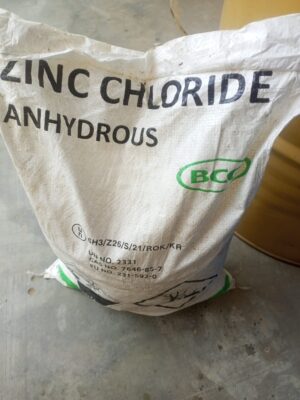
Zinc Chloride Anhydrous
- Original price was: ₦143,000.00.₦142,500.00Current price is: ₦142,500.00.
- Add to cart
Reviews
There are no reviews yet.