
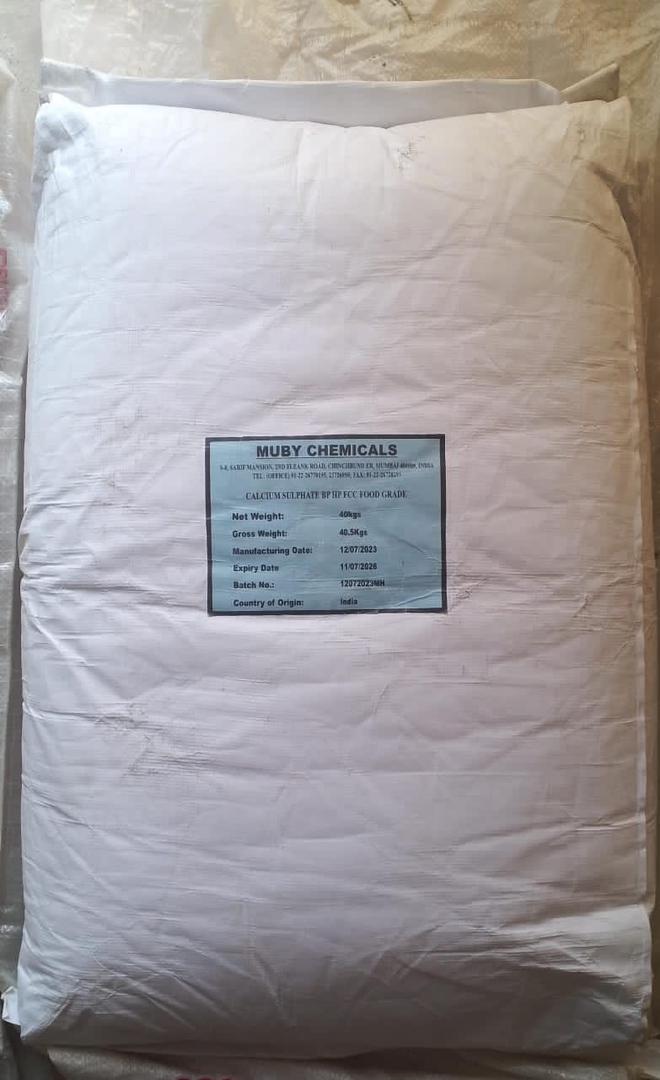

calcium propionate MPP
Calcium Propionate — Product Specification (Typical MPP / Spec Sheet)
1. Product Identification
Name: Calcium Propionate
Chemical Formula: C₆H₁₀CaO₄
CAS Number: 4075-81-4
E-Number: E282
Appearance: White crystalline powder or granular solid
Odor: Slight, characteristic of propionic acid
2. Technical Specifications
Item Specification
Assay (as C₆H₁₀CaO₄) 98.0% – 100.5% (dry basis)
Moisture ≤ 5.0%
pH (10% solution) 7.5 – 10.5
Insoluble Matter ≤ 0.3%
Arsenic (As) ≤ 3 ppm
Lead (Pb) ≤ 10 ppm
Fluoride (F) ≤ 30 ppm
Heavy Metals (as Pb) ≤ 0.001%
Particle Size Typically 20–80 mesh (varies by supplier)
3. Microbiological Standards
Item Specification
Total Plate Count ≤ 1000 cfu/g
Yeast & Mold ≤ 100 cfu/g
Pathogens (E. coli, Salmonella, Staphylococcus) Absent
4. Packaging
Usually 25 kg bags, paper or woven with PE liner
Jumbo bags or custom packaging available
5. Storage and Shelf Life
Store in cool, dry, ventilated area
Keep away from moisture (hygroscopic)
Shelf Life: 2 years when properly stored
6. Applications
Bakery products (bread, cakes, tortillas) — mold inhibitor
Cheese
Animal feed preservative
Pharmaceuticals (antifungal function)
₦75,000.00
Description
Calcium Propionate — Product Specification (Typical MPP / Spec Sheet)
1. Product Identification
Name: Calcium Propionate
Chemical Formula: C₆H₁₀CaO₄
CAS Number: 4075-81-4
E-Number: E282
Appearance: White crystalline powder or granular solid
Odor: Slight, characteristic of propionic acid
2. Technical Specifications
Item Specification
Assay (as C₆H₁₀CaO₄) 98.0% – 100.5% (dry basis)
Moisture ≤ 5.0%
pH (10% solution) 7.5 – 10.5
Insoluble Matter ≤ 0.3%
Arsenic (As) ≤ 3 ppm
Lead (Pb) ≤ 10 ppm
Fluoride (F) ≤ 30 ppm
Heavy Metals (as Pb) ≤ 0.001%
Particle Size Typically 20–80 mesh (varies by supplier)
3. Microbiological Standards
Item Specification
Total Plate Count ≤ 1000 cfu/g
Yeast & Mold ≤ 100 cfu/g
Pathogens (E. coli, Salmonella, Staphylococcus) Absent
4. Packaging
Usually 25 kg bags, paper or woven with PE liner
Jumbo bags or custom packaging available
5. Storage and Shelf Life
Store in cool, dry, ventilated area
Keep away from moisture (hygroscopic)
Shelf Life: 2 years when properly stored
6. Applications
Bakery products (bread, cakes, tortillas) — mold inhibitor
Cheese
Animal feed preservative
Pharmaceuticals (antifungal function)
Possible meanings of MPP
Minimum/Maximum Purchase Pack (MPP)
– Used by suppliers to indicate the minimum package size you can buy (e.g., 25-kg bag).
Manufacturing Processing Parameter (MPP)
– Used internally in QA/QC to refer to process specifications.
Material Product Profile (MPP) or Master Product Profile
– A specification sheet summarizing grade, purity, and typical analysis.
Maximum Permitted Proportion
– In regulatory contexts, could refer to the allowed usage limit in foods.
MSDS / SDS Summary — Calcium Propionate
1. Identification
Product Name: Calcium Propionate
Synonyms: Calcium propanoate, E282
Recommended Use: Food preservative, feed preservative
CAS Number: 4075-81-4
2. Hazard Identification
GHS Classification:
Not classified as hazardous under most GHS systems
Generally regarded as low-toxicity
Hazard Statements:
May cause mild eye irritation
Dust may cause respiratory irritation
Precautionary Statements:
Avoid breathing dust
Use with adequate ventilation
Wash hands after handling
Signal Word: None required (non-hazardous category)
3. Composition / Information on Ingredients
Component CAS Percentage
Calcium Propionate 4075-81-4 ≥ 98%
4. First Aid Measures
Inhalation: Move to fresh air; seek medical attention if irritation persists.
Skin Contact: Wash with soap and water.
Eye Contact: Rinse with water for several minutes; remove contact lenses.
Ingestion: Rinse mouth; generally low risk; seek help if large amounts are consumed or if discomfort occurs.
5. Firefighting Measures
Suitable Extinguishing Media: Water spray, dry chemical, foam, CO₂
Specific Hazards: Combustion may produce irritating fumes
Protection: Standard protective gear; avoid inhaling smoke
6. Accidental Release Measures
Avoid dust formation
Sweep or vacuum without raising dust
Dispose in accordance with local regulations
7. Handling & Storage
Handling:
Prevent dust inhalation
Use adequate ventilation
Storage:
Cool, dry, well-ventilated area
Keep containers tightly closed
Protect from moisture (hygroscopic)
8. Exposure Controls / Personal Protection
Engineering Controls: Local exhaust ventilation if dust is produced
Respiratory Protection: Dust mask (optional for nuisance dust)
Gloves: Protective gloves recommended
Eye Protection: Safety goggles if dust risk
Related products
-
- Sale!
- Feed Chemical Product, Pharmaceutical Chemicals
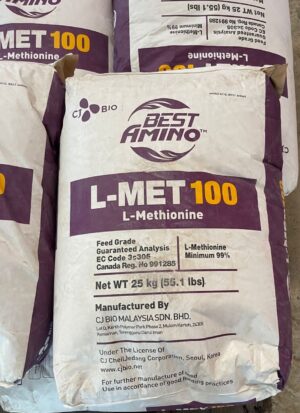
L – Methionine
- Original price was: ₦72,000.00.₦68,000.00Current price is: ₦68,000.00.
- Add to cart

Reviews
There are no reviews yet.