


Hydrogenated vegetable fat
Hydrogenated vegetable fat is a type of fat made by adding hydrogen to liquid vegetable oils (like soybean, palm, or sunflower oil). This process turns the oil into a semi-solid or solid fat.
Key points
Purpose:
Improves shelf life, stability, and texture of foods.
Common forms:
Partially hydrogenated oils (PHOs) → contain trans fats
Fully hydrogenated oils → no trans fats, but very high in saturated fat
Where it’s found
Margarine and shortening
Bakery products (cakes, cookies, pastries)
Fried and packaged foods
Some processed snacks
Health effects
Partially hydrogenated fats (trans fats):
Increase “bad” LDL cholesterol
Lower “good” HDL cholesterol
Raise risk of heart disease
Because of this, many countries restrict or ban their use.
Healthier alternatives
Non-hydrogenated vegetable oils (olive, canola, sunflower)
Nuts and seeds
Avocado
Butter or ghee (in moderation)
₦54,000.00
Description
Hydrogenated vegetable fat is a type of fat made by adding hydrogen to liquid vegetable oils (like soybean, palm, or sunflower oil). This process turns the oil into a semi-solid or solid fat.
Key points
Purpose:
Improves shelf life, stability, and texture of foods.
Common forms:
Partially hydrogenated oils (PHOs) → contain trans fats
Fully hydrogenated oils → no trans fats, but very high in saturated fat
Where it’s found
Margarine and shortening
Bakery products (cakes, cookies, pastries)
Fried and packaged foods
Some processed snacks
Health effects
Partially hydrogenated fats (trans fats):
Increase “bad” LDL cholesterol
Lower “good” HDL cholesterol
Raise risk of heart disease
Because of this, many countries restrict or ban their use.
Healthier alternatives
Non-hydrogenated vegetable oils (olive, canola, sunflower)
Nuts and seeds
Avocado
Butter or ghee (in moderation)
Here’s a clear side-by-side comparison of hydrogenated vegetable fat, palm oil, and butter, focusing on health, composition, and common use:
1. Hydrogenated Vegetable Fat
What it is:
Vegetable oil chemically treated with hydrogen to make it solid.
Fat composition:
Very high saturated fat
Trans fats (if partially hydrogenated)
Health impact:
❌ Worst for heart health (especially partially hydrogenated)
Raises LDL (“bad”) cholesterol
Increases heart disease risk
Use:
Shortening, margarine, baked goods, fried snacks
Bottom line:
👉 Least healthy option — best avoided.
2. Palm Oil
What it is:
Naturally semi-solid oil from palm fruit.
Fat composition:
~50% saturated fat
~40% monounsaturated fat
No trans fats (if not hydrogenated)
Health impact:
⚠️ Better than hydrogenated fat
Still raises LDL if overused
Neutral to mildly harmful in excess
Use:
Packaged foods, instant noodles, chocolates, frying
Bottom line:
👉 Moderate option — acceptable in limited amounts.
3. Butter
What it is:
Animal fat made from milk cream.
Fat composition:
~65% saturated fat
Small amounts of natural trans fats (not harmful like industrial ones)
Health impact:
⚠️ Raises cholesterol if eaten in excess
Provides vitamins A, D, K2
Better than hydrogenated fats
Use:
Cooking, baking, spreads
Bottom line:
👉 Better than hydrogenated fat, similar or slightly worse than palm oil for cholesterol, but more nutritious.
Overall Health Ranking (Best → Worst)
Butter (in moderation)
Palm oil (limited use)
Hydrogenated vegetable fat (avoid)
Related products
- Sale!
- Food Chemicals Products
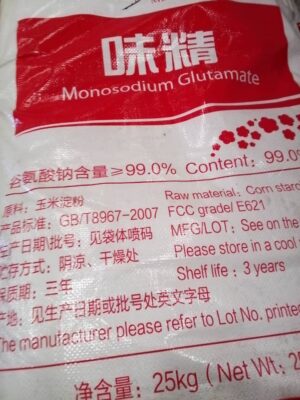
Monosodium Glutamate MSG
- Original price was: ₦50,000.00.₦45,000.00Current price is: ₦45,000.00.
- Add to cart
Reviews
There are no reviews yet.